Prepare while you wait
What can I get ready now, so I can move fast later?
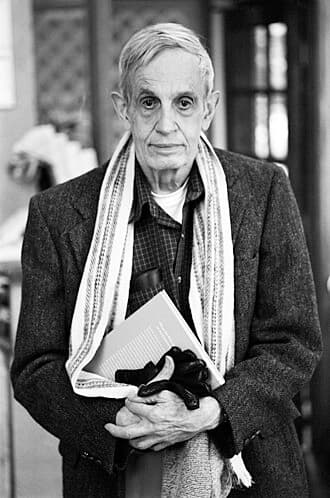
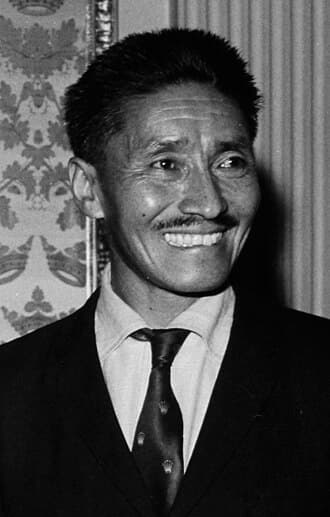
In Tenzing’s lifeHe joined expedition after expedition from 1935, carrying loads and learning the mountain, its routes and its weather, for almost twenty years.
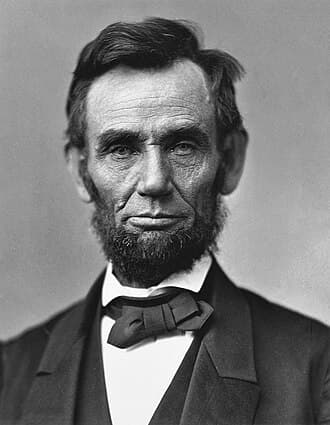
Abraham Lincoln
Where others saw a moment to announce, he saw a moment worth waiting for.
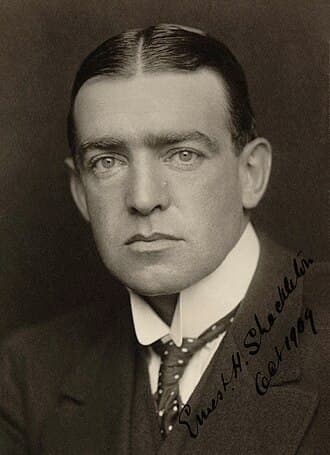
Sir Ernest Shackleton
Where others saw a lost expedition, he saw a new goal: everyone home.
Tenzing Norgay
Where others saw a summit, he saw a window in the weather.
Each chose with the facts incomplete, knowing timing could matter as much as the choice.
The launchpadA capability
Choosing well when the facts are incomplete, the timing matters, and others are choosing too.
Complex Decision-Making & Strategy is the ability to make sound choices when the facts are incomplete, to judge when to act, and to anticipate how others will respond.
Waiting for certainty is also a decision, and usually a poor one.
It is not being decisive for its own sake, or guessing boldly. It is a disciplined way of deciding: clear about what matters, honest about what is unknown, and alert to the moves of others.
A good decision is judged by how it was made, not only by how it turned out. Luck can rescue a bad decision and spoil a good one.
The facts are never all in. The skill is knowing when enough is known for the stakes involved.
The same move can fail early, succeed on time, and be useless late.
Other people are deciding too. A plan that ignores their answer is only half a plan.
02 · Why it matters
Three things are true of every decision that matters.
By the time everything is known, the moment to act has usually passed.
The right move at the wrong moment is the wrong move.
Every plan meets other people’s plans. The strategist thinks one move further than the obvious.
The decisions that shape a life, which subject, which path, which partner, which risk, are all made with incomplete facts, at a particular moment, among other people making their own choices. Most people learn to make them by trial and painful error. The method can be taught much earlier.
03 · What strategy looks like
One life shows all four. Tap the right side to move on, the left to go back.
With less than a year of schooling, he taught himself law from borrowed books, reading late into the night.
Where it beganOne decides without certainty. One knows when to move. One sees how others will answer.
A sound decision at the wrong moment fails. A well-timed move that ignores everyone else is answered and undone. The capability joins all three.
Making sound, calm choices when the facts are incomplete and the situation keeps changing.
What would I need to know to decide, and do I have enough?
Knowing that when to act matters as much as what to do: the patience to wait, and the readiness to move.
Is this the moment, and how will I know?
Thinking several steps ahead by anticipating how others will respond, and finding moves that work given theirs.
What will they do if I do this?
Making sound, calm choices when the facts are incomplete, and adjusting as new facts arrive.
What must be protected, whatever happens?
What would I need to know to decide, and do I have enough?
Will I stand behind this if it goes wrong?
What has changed since I decided?
A distinction worth teaching early: every result has two parts, and only one of them is yours to control.
What you knew, and how you weighed it.
Shaped by chance as well as judgement.
He set out to cross Antarctica. His ship never reached land. For almost two years he made decision after decision with almost nothing known for certain. Keep scrolling and watch the rings grow.
Knowing when to act: the patience to wait for the moment, and the readiness to move fully when it comes.
What can I get ready now, so I can move fast later?
What signs show that the moment is coming?
At what point is waiting wiser than going on?
When the window opens, am I ready to go all in?
Timing is patience and readiness together: preparing while waiting, reading the signs, and moving fully when the moment arrives.
He first went to Everest as a porter at twenty-one, and reached its summit at thirty-nine. He waited nearly twenty years for his moment, and was ready when it came. His path follows the skill’s four moves:
What can I get ready now, so I can move fast later?
What signs show that the moment is coming?
At what point is waiting wiser than going on?
When the window opens, am I ready to go all in?
What followed
He and Hillary were the first people known to stand on the summit of Everest. He went on to train a generation of young mountaineers.
Thinking steps ahead: anticipating how others will respond, and finding the move that works given theirs.
Who else is making a choice that affects mine?
What would I do in their place?
Where would nobody want to change their choice?
Can I change the rules, the players or the rewards?
Every choice lands among other people’s choices. The practitioner asks what each player wants, and how they will respond, then looks for the move that works given theirs.
10 · Watch it work
The drama club and the debate club have both booked the hall for the same Saturday. Whichever event goes ahead, the other loses most of its audienceLINKED OUTCOME. The debate club’s grant depends on holding one event this termTHEIR INCENTIVE. The drama club has already printed its ticketsCOMMITMENT. Both clubs will need the hall again next termREPEAT GAME. And a joint evening would draw a larger crowd than either aloneSHARED GAIN.
The drama club and the debate club have both booked the hall for the same Saturday, and each insists it was first. Whichever event goes ahead, the other loses most of its audienceLINKED OUTCOME. The debate club’s grant depends on holding one event this termTHEIR INCENTIVE, though the date itself does not matter to themTHEIR INCENTIVE. The drama club has already printed its ticketsCOMMITMENT. Both clubs will need the hall again next termREPEAT GAME. And a joint evening would draw a larger crowd than either aloneSHARED GAIN.
Most readers see a booking clash, and an argument about who was first.
Five signals show a strategic situation:
What happens to me depends on what they choose.
Between the clubs: Neither club can plan alone. Each one’s audience depends on the other’s decision.
What the other side gains or loses, which predicts what it will do.
Between the clubs: The debate club needs an event, not this date. That makes it far more flexible than its protest suggests.
A visible move that is hard to undo, and changes what others will do.
Between the clubs: Printed tickets tell everyone the drama club cannot easily move. The other side will adjust to that.
The same players will meet again, so reputation counts.
Between the clubs: A bitter win this term costs goodwill next term, when the hall is needed again.
An outcome better for both than either could reach alone.
Between the clubs: A joint evening beats both a clash and a reluctant retreat. It is the move a strategist looks for first.
A young mathematician wrote a short thesis that changed economics, biology and diplomacy. He showed that the best choice depends on what everyone else is choosing. His ideas follow the skill’s four moves:
Who else is making a choice that affects mine?
What would I do in their place?
Where would nobody want to change their choice?
Can I change the rules, the players or the rewards?
What followed
After decades of serious illness he recovered, and received the Nobel Prize in Economics in 1994 and the Abel Prize in 2015.
12 · What it isn’t
Tap each one to see what is true instead.
13 · Where it travels
Choosing a treatment before every test is back.
Which experiment to run first, with limited time.
Anticipating every side’s next move.
How people will respond to a new rule.
When to attack, and when to conserve.
Moving before, or after, the competition.
More lives that show it
Helped break wartime codes by weighing evidence step by step, making sound decisions long before certainty arrived.
Seeing boulders where the lander was headed, he took manual control and set it down safely with seconds of fuel to spare.
Showed how commitments and signals shape conflict, work that helped keep a dangerous rivalry from turning into war.
14 · How we develop it
Each decision recorded before the outcome: what was known, what was expected, and why.
Read decision by decision, alongside conversations with leaders about hard calls.
Games played, then replayed, with every choice discussed move by move.
Every cycle ends in an honest review of the journal, so progress is visible over time.
WeighTimeAnticipate
How it grows
Makes and records decisions with incomplete facts, and reviews them honestly afterwards.
Learns to name the signal that would mean “now”, and to prepare while waiting for it.
Maps how other people will respond before acting, on a real project with real stakes.
One cycle, four weeks
15 · Try it yourself
Each place holds one note from a child’s observation journal. Tap a place, name the signal, then see how the same moment reads with and without the capability. Take sixty seconds, or as long as you like.

17 · To keep
Decide on enough facts; never wait for all of them.
Judge a decision by how it was made.
When matters as much as what.
Ask what the others will do, and look for shared gains.
All of it can be trained.
The next step
Every child leans towards some capabilities before they’re ever taught. The Discovery Profile finds where yours already leads, across all eight, in five minutes.
Discover their profile Explore the full launchpadNext capabilityCognitive Psychology & Perception